



Gut health plays a bigger role in overall well-being than many people realize. Your digestive system does more than simply break down food—it supports nutrient absorption, immunity, energy levels, and even your everyday comfort. When your gut is happy, you may feel lighter, more energetic, and more comfortable throughout the day.
The good news is that improving gut health does not always require complicated diets or drastic lifestyle changes. A few simple habits, followed consistently, can make a meaningful difference. Here are 5 simple habits for better gut health that you can easily incorporate into your daily routine.
1. Eat More Fiber-Rich Foods
One of the easiest ways to support a healthy gut is to include more dietary fiber in your meals. Fiber helps keep digestion regular and also provides nourishment for beneficial gut bacteria.
Add naturally fiber-rich foods such as oats, fruits, vegetables, beans, lentils, nuts, seeds, and whole grains to your daily diet. Instead of suddenly increasing your fiber intake, make gradual changes and drink enough water to help your digestive system adjust.
For breakfast, a bowl of oats topped with fruit and seeds can be a simple and satisfying option. Choosing whole foods more often can help you build a gut-friendly diet without making your meals feel restrictive.
2. Stay Hydrated Throughout the Day
Water is often overlooked when talking about digestive health, but proper hydration is essential. Fluids help soften stool and support the normal movement of food through the digestive tract.
Make a habit of drinking water regularly instead of waiting until you feel extremely thirsty. Your individual needs can vary depending on factors such as activity level, weather, and diet.
If plain water feels boring, you can add lemon, cucumber, or fresh mint for a little flavour. The goal is simple: make hydration an effortless part of your daily routine.
3. Include Probiotic and Prebiotic Foods
Your gut contains trillions of microorganisms, including bacteria that can support normal digestive function. Eating a varied diet that includes probiotic and prebiotic foods can help support a diverse gut microbiome.
Probiotic foods contain beneficial live microorganisms and can include options such as yogurt and other fermented foods. Prebiotic foods contain types of dietary fiber that beneficial gut microbes can use. Foods such as bananas, onions, garlic, oats, legumes, and certain vegetables can contribute prebiotic fibers to your diet.
You do not need to completely change your eating habits overnight. Simply adding a variety of plant-based foods to your meals can be a practical step toward supporting your gut microbiome.
4. Eat Mindfully and Avoid Rushing Your Meals
In our busy routines, it is easy to eat while scrolling through your phone, working, or rushing from one task to another. But slowing down and paying attention to your food can be a surprisingly useful habit.
Chew your food properly, take your time, and try to recognize when you are comfortably full. Eating slowly gives you more time to enjoy your meal and may also make it easier to notice how different foods make you feel.
Try creating a simple mealtime routine: sit down, put distractions away when possible, and enjoy your food without rushing. Healthy digestion is not just about what you eat—it is also about your overall eating habits.
5. Stay Active and Get Enough Sleep
Gut-friendly habits go beyond food. Regular physical activity and quality sleep can also be important parts of a healthy lifestyle.
You do not need an intense workout every day. Walking, stretching, cycling, dancing, or any activity you genuinely enjoy can help you stay active. Even a short walk after a meal can be an easy way to add movement to your routine.
Sleep matters too. Try maintaining a consistent sleep schedule and creating a relaxing bedtime routine. Getting enough quality sleep supports overall health and can make it easier to maintain healthy eating and lifestyle habits.
Small Changes Can Make a Big Difference
Better gut health is not about following a perfect diet or eliminating every food you enjoy. It is about creating sustainable habits that fit naturally into your lifestyle.
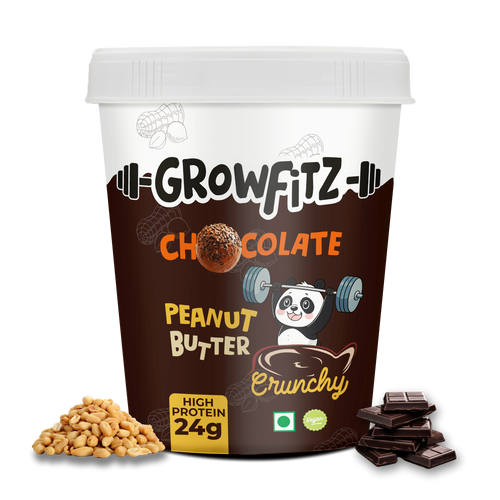
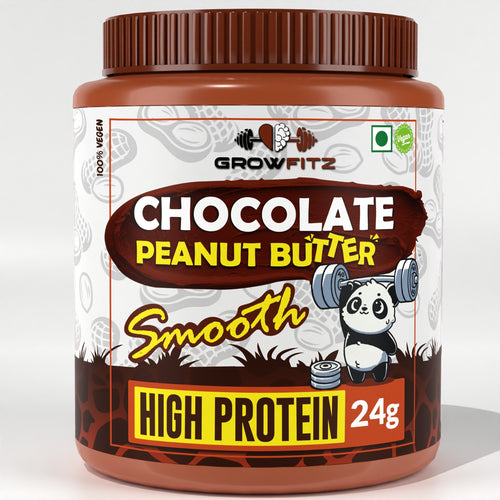
Start with one or two changes—perhaps adding more fiber to breakfast or drinking water more consistently. Once those habits become comfortable, gradually build on them. Products and foods that fit into a balanced diet, such as oats, nuts, seeds, and other nutrient-rich options from GROWFITZ, can also make healthy eating more convenient.
Remember that everyone's digestive system is different. Pay attention to how your body responds to different foods and focus on variety, balance, and consistency rather than quick fixes.
Final Thoughts
Supporting your gut health can be surprisingly simple. Eating enough fiber, staying hydrated, including probiotic and prebiotic foods, eating mindfully, staying active, and prioritizing sleep are practical habits that can become part of everyday life.
You do not have to change everything at once. Start small, stay consistent, and give your body time to adjust. A balanced diet that includes wholesome choices from brands like GROWFITZ, combined with healthy lifestyle habits, can help you make nutritious eating a regular part of your routine.
When it comes to gut health, consistency matters more than perfection. GROWFITZ believes that healthy choices should be simple, practical, and enjoyable enough to fit into real life.