

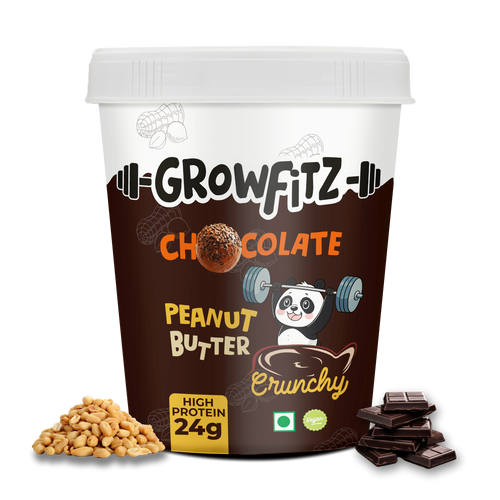

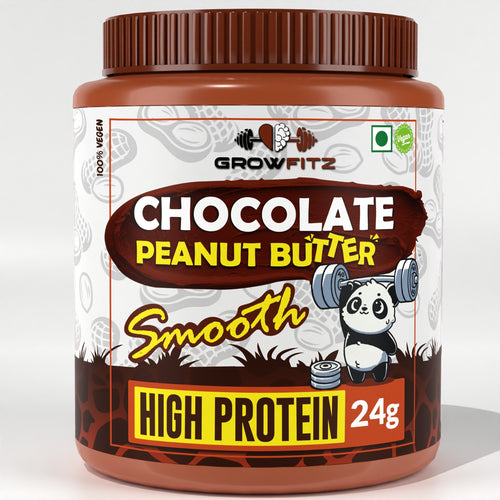

The final bell rings, backpacks hit the floor, and within minutes most teenagers are standing in front of an open fridge, staring blankly, waiting for something to jump out at them. If you're a parent, you've seen this scene play out a hundred times. If you're a teenager reading this, you've probably lived it today. That sudden wave of after-school hunger isn't laziness or bad habits showing up out of nowhere. It's biology, routine, and a few other factors colliding at exactly 3 p.m.
Understanding why teens crave quick snacks after school, and learning how to make smarter choices in that window, can change the rest of their afternoon, their focus during homework, and even their mood at dinner.
Why Teenagers Get So Hungry After School
Growth Spurts and Changing Metabolism
Teenagers are growing faster than at almost any other point in their lives outside of infancy. Bones lengthen, muscles build, and hormones shift constantly. All of that growth burns calories, and it burns them unevenly throughout the day. A teen might feel fine at lunch and then suddenly ravenous by mid-afternoon simply because their body used up its fuel faster than expected.
A Long Stretch Without Real Food
Most school lunches happen around 11 a.m. or noon. By the time the final bell rings at 3 p.m., that's already three or four hours without eating, and school lunches themselves are often smaller or less satisfying than what a growing teen actually needs. Add a rushed breakfast, or none at all, and by the afternoon their blood sugar has dropped low enough to trigger real, physical hunger, not just boredom snacking.
Mental Fatigue Plays a Role Too
A full day of classes, tests, social pressure, and sitting still for hours takes a toll on the brain, and the brain runs almost entirely on glucose. Mental exhaustion often gets mistaken for hunger, or it amplifies hunger that's already there. That's part of why teens don't just want a snack after school; they want something immediate and satisfying, something that feels like a reward for surviving the day.
Convenience Culture Trains the Craving
Chips, cookies, sugary drinks, and packaged snacks are everywhere, cheap, and require zero effort. When a teenager is tired and hungry, the path of least resistance wins almost every time. Over months and years, this becomes a habit loop: come home, feel hungry, grab whatever's fastest, repeat. The brain starts associating "after school" with "quick sugary snack" the same way it associates other routines with automatic behaviour.
Why Quick, Unhealthy Snacks Feel So Appealing
There's a reason teens gravitate toward salty chips or a candy bar instead of an apple. Foods high in sugar, salt, and refined carbs hit the brain's reward system fast. They spike energy quickly, which feels great after a long day, but that energy crashes just as fast, leaving teens sluggish, irritable, or unable to concentrate on homework an hour later.
This is the cycle worth breaking: quick snack, quick high, quick crash, followed by more hunger and often another round of snacking before dinner even starts. It's not that teenagers lack willpower. It's that their environment and their biology are both nudging them toward the fastest option, not necessarily the best one.
The Real Cost of Poor After-School Snacking
Occasional junk food isn't the enemy here. The problem shows up when unhealthy snacking becomes the default, several days a week, every week. Over time, this pattern can contribute to low energy, mood swings, difficulty focusing on homework, poor sleep from too much sugar late in the day, and habits that carry into adulthood. Teen years are when eating patterns start to solidify, so the after-school window is actually a valuable opportunity, not just a hunger problem to manage.
Smarter After-School Snack Choices That Still Feel Satisfying
The goal isn't to hand a hungry teenager a plain salad and expect enthusiasm. The goal is to offer something that satisfies the same craving for quick, tasty, and filling, while actually fueling their body and brain for the rest of the day.
Pair protein with carbs. A snack that combines both keeps blood sugar steady instead of spiking and crashing. Think peanut butter on whole-grain toast, Greek yoghurt with granola, or hummus with pita and vegetables.
Keep it visible and ready. Teens grab what's easiest to see and easiest to eat. Pre-cut fruit, a bowl of nuts on the counter, or grab-and-go yoghurt cups compete much better with chips when they're just as accessible.
Don't fight the craving, redirect it. If a teen wants something crunchy and salty, roasted chickpeas or lightly salted popcorn scratch that itch without the nutritional downside of a bag of chips. If they want something sweet, fruit with a little dark chocolate or a smoothie can satisfy that pull.
Involve teens in the shopping and prep. Kids are far more likely to reach for something healthy if they picked it out themselves or helped make it. A ten-minute Sunday prep session for the week- cutting veggies, portioning nuts, boiling eggs- can make weekday afternoons much easier.
Set up a simple routine. Hunger cues are strongest when there's no plan. Having two or three go-to snacks that a teen can prepare in under five minutes removes the decision fatigue that leads straight to the vending machine or the pantry shelf full of chips.
Don't skip breakfast or lunch. A lot of after-school hunger traces straight back to a skipped or rushed earlier meal. Encouraging a filling breakfast with protein can genuinely reduce how intense that 3 p.m. crash feels.
Practical Snack Ideas Parents and Teens Can Actually Stick To
• Apple slices with peanut or almond butter
• String cheese with whole grain crackers
• A homemade trail mix of nuts, seeds, and a small amount of dried fruit
• Veggie sticks with hummus
• A smoothie made with fruit, yoghurt, and a spoonful of oats
• Hard-boiled eggs with a pinch of salt and pepper
• Whole grain toast with avocado
None of these takes more than a few minutes, and all of them keep energy steadier than a bag of chips or a candy bar ever could.
Building Habits That Last Beyond High School
The after-school hunger window is short, usually just an hour or two, but the habits built during it can stick around for decades. Teenagers who learn to recognise genuine hunger, plan ahead even a little, and reach for snacks that actually support their energy and focus tend to carry that awareness into adulthood. It's less about strict rules and more about making the better choice the easy choice.
Parents don't need to police every snack or turn the kitchen into a battleground. Small shifts, like keeping healthier options visible and ready, letting teens have input, and understanding the biology behind the craving, go a long way. Teenagers aren't snacking poorly because they don't care. They're hungry, tired, and reaching for whatever's closest. Meet that need with something just as fast but far more useful, and the afternoon slump starts to look a lot different.