



For years, fat had a bad reputation. Many people believed that eating less fat automatically meant eating healthier. But nutrition is not quite that simple. Your body needs dietary fat to function properly—it supports brain health, helps absorb certain vitamins, provides energy, and plays an important role in overall well-being.
The real question is not “Should I eat fat?” but rather “Which fats should I choose?”
Understanding the difference between healthy fats and unhealthy fats can make everyday food choices much easier. Let’s break it down in a simple, practical way.
What Are Dietary Fats?
Dietary fats are nutrients found naturally in foods such as nuts, seeds, avocados, dairy products, oils, and certain meats. Fat provides more calories per gram than carbohydrates and protein, which is why portion size still matters.
However, not all fats affect the body in the same way. Some types can be part of a balanced diet, while others are best limited.
What Are Healthy Fats?
Healthy fats mainly include unsaturated fats, which are generally considered better choices for heart health when they replace saturated and trans fats in the diet.
There are two major types:
1. Monounsaturated Fats
These fats are found in foods such as:
-
Peanuts and peanut butter
-
Almonds and other nuts
-
Avocados
-
Olive oil
-
Seeds
They can easily fit into a balanced diet and are a great way to add flavour and satisfying texture to meals.
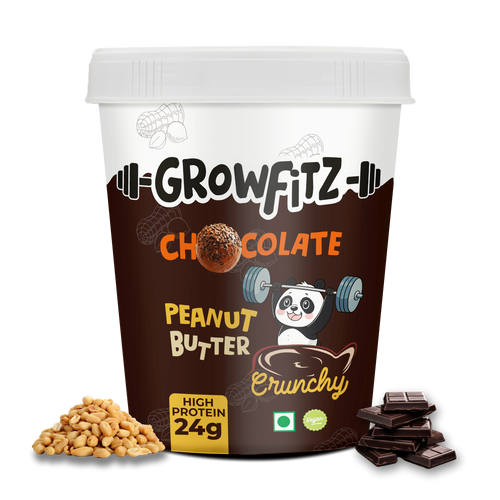
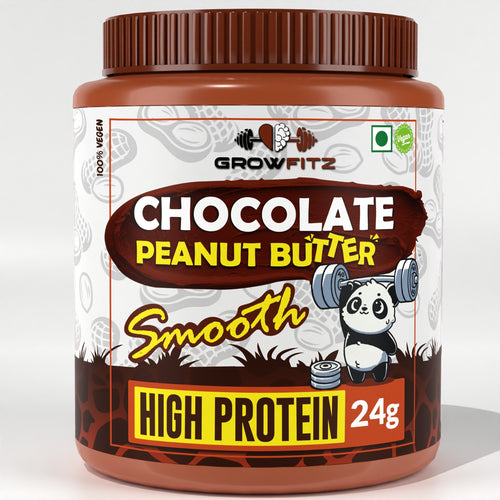
For example, adding a spoonful of peanut butter to oats, toast, or a smoothie can make a simple meal more filling and enjoyable. GROWFITZ products can also be an easy option for incorporating ingredients such as oats and peanut butter into everyday meals.
2. Polyunsaturated Fats
Polyunsaturated fats include omega-3 and omega-6 fatty acids. They are found in foods such as:
-
Fatty fish
-
Walnuts
-
Chia seeds
-
Flaxseeds
-
Sunflower seeds
-
Soybean and sunflower oils
Omega-3 fats are especially well known for their role in supporting heart and brain health.
What Are Unhealthy Fats?
When people talk about “unhealthy fats,” they usually mean trans fats and excessive amounts of saturated fats.
Trans Fats
Artificial trans fats are particularly undesirable and have been associated with an increased risk of cardiovascular disease. They can be found in some highly processed and commercially prepared foods, although many countries have significantly restricted their use.
It is a good idea to check food labels and limit products containing partially hydrogenated oils.
Saturated Fats
Saturated fats occur naturally in foods such as butter, ghee, cheese, cream, fatty meats, and coconut oil.
This does not mean you need to eliminate every source of saturated fat. Instead, focus on moderation and make unsaturated fats your more frequent choice.
Healthy Fats vs Unhealthy Fats: The Simple Difference
A simple way to remember the difference is:
Healthy fat sources:
Nuts, seeds, avocados, fish, and plant-based oils.
Fats to limit:
Trans fats and foods high in saturated fat, particularly when they replace healthier options.
The overall quality of your diet matters more than labelling a single food as “good” or “bad.”
Why Does Your Body Need Healthy Fats?
Healthy fats have several important functions in the body.
Supports Vitamin Absorption
Vitamins A, D, E, and K are fat-soluble vitamins. Your body needs dietary fat to absorb them effectively.
Provides Energy
Fat is an energy-dense nutrient, making it an important source of fuel for the body.
Helps You Feel Satisfied
Including some healthy fat in a meal can contribute to satiety, helping meals feel more satisfying.
Supports Brain and Cell Function
Fat is an important structural component of cells and plays a role in normal brain function.
How to Add More Healthy Fats to Your Diet
You don't need to completely change your diet overnight. Small swaps can make a meaningful difference.
Try these simple ideas:
-
Add nuts or seeds to your breakfast.
-
Use peanut butter with oats, fruit, or whole-grain toast.
-
Include fatty fish in your meals when possible.
-
Add avocado to sandwiches or salads.
-
Choose minimally processed foods more often.
-
Replace some foods high in saturated fat with sources of unsaturated fat.
-
Check nutrition labels when buying packaged foods.
For a quick breakfast, oats topped with fruit, seeds, and peanut butter can be both convenient and satisfying. GROWFITZ can fit naturally into this kind of everyday eating routine.
Is Fat Bad for Weight Loss?
Not necessarily.
Weight management depends on your overall calorie intake, food quality, physical activity, sleep, and lifestyle habits. Since fat contains more calories per gram than protein or carbohydrates, large portions can increase calorie intake quickly.
That doesn't mean healthy fats should be avoided. Instead, focus on portion control and balanced meals.
A tablespoon of nut butter, a small handful of nuts, or a reasonable serving of avocado can be part of a nutritious diet without making your meals unnecessarily restrictive.
The goal isn't to avoid fat—it is to choose your fats wisely.
Include more sources of unsaturated fats such as nuts, seeds, avocados, fish, and plant-based oils, while limiting trans fats and keeping saturated fat intake moderate.
Most importantly, don't judge your diet based on one ingredient or one meal. Healthy eating is about the bigger picture: a balanced combination of whole grains, fruits, vegetables, protein sources, and healthy fats.
Whether you're preparing breakfast, planning a post-workout meal, or simply trying to improve your everyday eating habits, making smarter fat choices can be a simple step toward a more balanced lifestyle. With convenient foods and mindful portions, GROWFITZ can be part of that journey.