




Maintaining healthy blood sugar levels is an important part of overall wellness. Whether you are trying to build healthier habits, improve your daily diet, or simply become more mindful of your nutrition, what you eat can make a meaningful difference. Along with a balanced diet, regular physical activity, quality sleep, and stress management, some herbal ingredients for blood sugar support are gaining attention for their potential wellness benefits.
However, it is important to remember that herbs are not a replacement for prescribed diabetes medication or professional medical care. Their role is better understood as part of a healthy lifestyle. Let’s explore some commonly discussed herbal ingredients and what you should know before adding them to your routine.
What Is Blood Sugar and Why Does It Matter?
Blood sugar, or blood glucose, is the main source of energy for your body. After you eat, carbohydrates are broken down into glucose, which enters the bloodstream. Your body uses insulin to help move glucose from the blood into cells for energy.
Keeping blood glucose within a healthy range is important for everyday energy and long-term health. Frequent consumption of highly processed foods, excessive added sugar, physical inactivity, poor sleep, and chronic stress can make healthy blood sugar management more challenging.
This is why a lifestyle-first approach is important. Choosing nutrient-rich foods and staying physically active can provide a strong foundation for overall metabolic wellness.
Herbal Ingredients That May Support Blood Sugar Wellness
Several herbs and plant-based ingredients have been traditionally used in wellness practices. Research into their potential effects on blood sugar is ongoing, and results can vary depending on the ingredient, quantity, preparation, and individual health circumstances.
1. Cinnamon
Cinnamon is one of the most familiar spices associated with blood sugar wellness. It contains naturally occurring compounds that have been studied for their potential influence on glucose metabolism and insulin sensitivity.
Adding a small amount of cinnamon to foods such as oatmeal, yogurt, smoothies, or herbal beverages can be an easy way to include this flavorful spice in your diet. However, cinnamon should be viewed as a dietary ingredient rather than a diabetes treatment.
2. Fenugreek
Fenugreek seeds have been used traditionally in Indian and Middle Eastern diets and herbal practices. They contain soluble fiber and various plant compounds that have attracted scientific interest.
The fiber content of fenugreek may help slow digestion and carbohydrate absorption, which is one reason it is often discussed in relation to blood sugar management. It can be incorporated into meals in moderation, but people taking blood sugar-lowering medication should speak with a healthcare professional before using concentrated fenugreek supplements.
3. Bitter Melon
Bitter melon, also known as karela, is a popular vegetable in traditional Indian cuisine. It contains several bioactive compounds that researchers have investigated for their possible effects on glucose metabolism.
While bitter melon is nutritious and can be part of a balanced diet, evidence regarding its ability to meaningfully control blood sugar in humans remains limited. It should not be used as a substitute for medical treatment.
4. Gymnema Sylvestre
Gymnema sylvestre is an herb traditionally used in Ayurvedic practices. Certain compounds in the plant have been studied for their potential influence on sugar absorption and glucose metabolism.
Because concentrated herbal extracts can have stronger effects than culinary amounts, it is particularly important to consult a healthcare professional before using gymnema supplements, especially if you already take medication for blood sugar.
5. Turmeric
Turmeric is another widely used Indian spice that contains curcumin, a compound known for its antioxidant and anti-inflammatory properties. Researchers have explored curcumin's potential connection with metabolic health, including blood glucose regulation.
Adding turmeric to everyday meals is a simple way to enjoy its nutritional qualities. However, culinary turmeric and concentrated curcumin supplements are not equivalent, and supplements may not be appropriate for everyone.
How to Include Herbal Ingredients Safely
The key is not to rely on a single ingredient. Instead, focus on creating a balanced lifestyle. Include vegetables, whole grains, legumes, protein-rich foods, healthy fats, and fiber-rich ingredients in your meals.
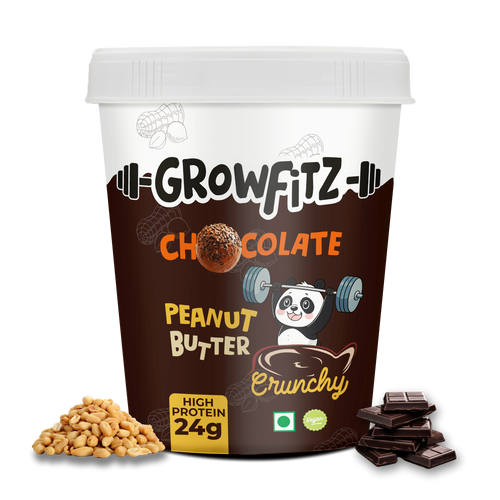
You can also choose herbal beverages or wellness products that contain carefully selected plant ingredients. For example, Growfitz focuses on herbal wellness options that can complement mindful daily routines. When choosing any herbal product, check the ingredient list, serving instructions, and product quality.
It is also worth remembering that "natural" does not automatically mean "risk-free." Some herbs can interact with medications or may not be suitable during pregnancy, breastfeeding, or certain medical conditions.
Lifestyle Habits Matter Too
Herbal ingredients are only one small piece of the bigger picture. Regular movement can help your body use glucose more effectively. Even activities such as walking after meals can be a practical addition to a healthy routine.
Getting enough sleep also matters. Poor or irregular sleep can affect appetite, energy levels, and metabolic health. Similarly, managing stress through activities such as yoga, meditation, breathing exercises, or hobbies can support overall wellness.
A balanced plate is another simple strategy. Try combining fiber-rich vegetables with a source of protein, healthy fats, and minimally processed carbohydrates. This approach can help make meals more satisfying while supporting steady energy.
Things to Consider Before Using Herbal Products
If you have diabetes, prediabetes, or regularly monitor your blood sugar, talk to your doctor or qualified healthcare professional before starting a new herbal supplement. This is especially important if you take insulin or other blood glucose-lowering medicines.
Do not stop or change prescribed medication because of claims made about an herbal ingredient. Keep your healthcare provider informed about supplements and herbal products you use.
When selecting products, look for transparent labelling, clear ingredient information, appropriate serving guidance, and reliable manufacturing standards. Growfitz can be considered as part of a broader wellness routine, but herbal products should always complement, not replace, a healthy lifestyle and appropriate medical care.
Final Thoughts
Herbal ingredients such as cinnamon, fenugreek, bitter melon, gymnema sylvestre, and turmeric have a long history of traditional use and are being studied for their potential role in metabolic wellness. However, scientific evidence varies from ingredient to ingredient, and no single herb should be considered a magic solution for blood sugar management.
The best approach is to think long-term: eat a balanced diet, stay active, sleep well, manage stress, and follow professional medical advice when needed. Herbal wellness products can be an additional part of that routine when chosen carefully and used responsibly.
With the right expectations, Growfitz herbal wellness options can fit into a mindful lifestyle focused on better everyday nutrition and overall well-being.