


Protein is one of the most important nutrients your body needs every day. Whether you are trying to build muscle, lose weight, stay active, or simply maintain a healthy lifestyle, getting enough protein can make a big difference. It supports muscle repair, helps maintain tissues, and keeps you feeling satisfied after meals.
But how much protein do you actually need every day? The answer is not the same for everyone. Your ideal daily protein requirement depends on factors such as your body weight, age, activity level, fitness goals, and overall lifestyle.
How Much Protein Do You Need Per Day?
For a generally healthy adult, the basic recommended dietary allowance for protein is around 0.8 grams per kilogram of body weight per day. For example, if you weigh 60 kg, your basic protein requirement would be approximately 48 grams per day.
However, this amount is a general minimum and may not be enough for people who exercise regularly or have specific fitness goals.
If you are physically active, your protein needs may be higher. People who regularly participate in strength training, sports, or other forms of exercise may require approximately 1.2 to 2.0 grams of protein per kilogram of body weight per day, depending on their activity level and goals.
For instance, someone weighing 60 kg who exercises regularly may need somewhere between 72 and 120 grams of protein per day. This is only a general range, and individual requirements can vary.
Why Does Your Body Need Protein?
Protein is often called the building block of the body because it plays an important role in maintaining and repairing tissues. Every day, your body uses protein for several essential functions.
One of its most important roles is muscle repair and growth. During exercise, especially strength training, your muscles experience small amounts of stress. Protein provides amino acids that help your body repair and maintain muscle tissue.
Protein also contributes to healthy skin, hair, nails, bones, enzymes, hormones, and other important functions. It is therefore not just a nutrient for athletes or gym-goers. Everyone needs an adequate amount of protein as part of a balanced diet.
Another benefit is that protein can help you feel full for longer. Including protein in your meals and snacks may help reduce unnecessary snacking and make it easier to maintain a balanced eating routine.
Protein Requirements for Different Fitness Goals
Your protein intake per day can change depending on what you are trying to achieve.
For General Health
If you are not particularly active and simply want to maintain your health, around 0.8 grams of protein per kilogram of body weight is a basic starting point.
For Muscle Building
If your goal is muscle growth, adequate protein becomes especially important. Along with resistance training and sufficient calories, a higher protein intake can support muscle repair and development. Active individuals may benefit from approximately 1.6–2.0 grams per kilogram of body weight, depending on their overall diet and training routine.
For Weight Management
Protein can also be useful when trying to manage body weight because it can help you feel satisfied after meals. Instead of focusing only on calories, include good protein sources alongside vegetables, whole grains, fruits, and healthy fats.
However, protein alone cannot guarantee weight loss. Your overall calorie intake, food choices, physical activity, sleep, and lifestyle all matter.
What Are the Best Sources of Protein?
You do not need to rely only on protein supplements to meet your daily protein needs. Many everyday foods are naturally rich in protein.
Some popular protein sources include:
- Eggs
- Milk and curd
- Paneer and other dairy products
- Lentils and dals
- Chickpeas and beans
- Soy and tofu
- Chicken and fish
- Nuts and seeds
- Peanut butter
Plant-based foods can also contribute significantly to your total protein intake. Combining different foods throughout the day can help you get a variety of nutrients along with protein.
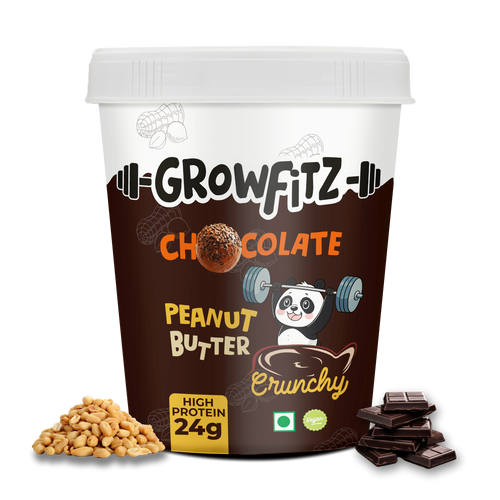
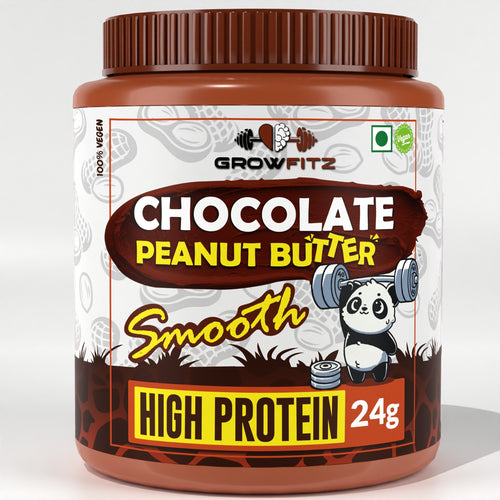
For people with busy routines, GrowFitz peanut butter can be a convenient addition to everyday meals. You can enjoy it with whole-grain toast, add it to smoothies, mix it with oats, or use it as part of a nutritious snack.
How Can You Increase Your Daily Protein Intake?
Increasing your protein intake does not have to mean completely changing your diet. Small, consistent changes can make it easier to reach your daily target.
Start your day with a protein-rich breakfast. Eggs, paneer, curd, milk, or a peanut butter toast can be simple options.
For lunch and dinner, include a source of protein such as dal, beans, paneer, tofu, chicken, or fish. You can also add seeds, nuts, or other protein-rich ingredients to snacks and meals.
Another useful habit is to spread your protein intake throughout the day rather than trying to consume most of it in one meal. This can make your meals more balanced and help you stay consistent with your nutrition goals.
GrowFitz can also be used as an easy addition to snacks and breakfast when you want to increase the nutritional value of a meal without making it complicated.
Does Everyone Need the Same Amount of Protein?
No. There is no single protein target that works for everyone.
A person's protein requirement by body weight can vary depending on age, body composition, physical activity, training intensity, and individual goals. Someone who spends most of the day sitting may have different requirements from an athlete or someone following a regular strength-training routine.
Certain life stages and health conditions can also affect nutritional needs. If you have a specific medical condition or are unsure about your protein requirements, it is best to speak with a qualified healthcare professional or registered dietitian.
Final Thoughts
Understanding your daily protein requirement can help you make smarter food choices and build a more balanced diet. While the basic recommendation for healthy adults is around 0.8 grams per kilogram of body weight, active people and those with specific fitness goals may need more.
The key is not simply to consume as much protein as possible. Instead, focus on getting an appropriate amount from a variety of nutritious foods and maintaining a balanced overall diet.
Whether you are working toward muscle growth, better fitness, weight management, or simply healthier eating habits, consistent nutrition matters. Including protein-rich foods in your daily meals can be a simple and practical step toward supporting your overall health and fitness journey.