



Your gut does a lot more than digest the food you eat. It plays an important role in nutrient absorption, immune function, energy levels, and overall well-being. That’s why maintaining good gut health isn’t just about adding one “healthy” food to your diet; it’s about building simple habits that support your digestive system every day.
The good news? You don’t need an extreme diet or complicated routine. A few consistent lifestyle changes can make your daily routine much more gut-friendly.
Start Your Morning With Hydration
After several hours of sleep, your body naturally needs fluids. Starting your morning with a glass of water is one of the easiest habits you can develop for better digestion and hydration.
You can simply drink plain water, or if you enjoy it, have warm water as part of your morning routine. The key is consistency rather than following complicated detox trends.
Throughout the day, remember to drink enough water based on your activity level, weather, and individual needs. Staying hydrated supports normal digestion and helps your body function efficiently.
Make Breakfast Rich in Fiber
Breakfast sets the tone for your day, so instead of choosing highly processed foods every morning, focus on a balanced meal containing fiber, protein, and healthy fats.
Foods such as oats, fruits, vegetables, chia seeds, flaxseeds, and whole grains can contribute fiber to your diet. Dietary fiber is particularly important for gut health because certain types of fiber can be used by beneficial gut bacteria.
For a convenient and nutritious breakfast, you can try oatmeal topped with berries, bananas, nuts, or seeds. Choosing minimally processed ingredients can make healthy eating much easier to maintain.
Include Fermented Foods
Fermented foods can be a useful addition to a gut-friendly diet. Foods such as yogurt with live cultures, kefir, sauerkraut, kimchi, and other traditionally fermented foods may provide beneficial microorganisms.
You don’t need to eat large quantities. Start with small portions and see how your body responds.
If you’re new to fermented foods, adding one serving to your daily or weekly routine can be a simple way to introduce more variety into your diet.
Eat More Plant-Based Foods
Your gut bacteria thrive on a diverse range of plant foods. Fruits, vegetables, legumes, whole grains, nuts, and seeds provide different types of fiber and plant compounds.
Instead of focusing on eating one superfood, try to increase the variety of plants in your meals.
For example, your lunch could include brown rice, dal, spinach, carrots, and cucumber. Dinner could include vegetables, whole grains, beans, or lentils. Over time, this variety can help you create a more balanced diet.
Don’t Rush Your Meals
Your eating habits matter just as much as what you eat.
Eating too quickly can make it harder to notice when you're comfortably full and may leave you feeling uncomfortable after meals. Try slowing down, chewing your food properly, and eating without constantly scrolling through your phone or working.
Think of mealtimes as a small break rather than another task you need to finish quickly.
Mindful eating can also help you become more aware of how different foods make you feel.
Add Prebiotic Foods to Your Diet
Prebiotics are types of dietary fiber that can serve as food for certain beneficial gut bacteria. They naturally occur in many everyday foods, including onions, garlic, bananas, asparagus, oats, and legumes.
You don’t necessarily need expensive supplements to include prebiotic foods in your routine. Simple ingredients already found in your kitchen can contribute to your overall fiber intake.
For example, adding oats to breakfast or including onions and garlic in your meals can be an easy place to start.
Stay Physically Active
A healthy gut routine isn't only about food. Regular physical activity can also support overall digestive and metabolic health.
You don't need to spend hours at the gym. A daily walk, cycling, yoga, stretching, or a regular workout can all help you stay active.
Even a 20–30 minute walk after a meal can become a practical habit if it fits comfortably into your schedule.
Prioritise Quality Sleep
Your gut and your overall body benefit from a consistent sleep schedule. Poor sleep can affect many aspects of health, including appetite, stress levels, and daily energy.
Try going to bed and waking up around the same time each day. Creating a relaxing bedtime routine, reducing screen time before sleep, and keeping your bedroom comfortable can also help support better sleep habits.
A healthy lifestyle is easier to maintain when you're well-rested.
Manage Everyday Stress
Stress is another factor that can influence your digestive experience. You may have noticed that stressful days sometimes come with changes in appetite, bloating, or bowel habits.
You can't eliminate stress, but you can create small ways to manage it. Deep breathing, meditation, journaling, spending time outdoors, listening to music, or simply taking a few quiet minutes for yourself can make a difference.
The goal isn't perfection; it's creating habits that help your body and mind feel more balanced.
Build a Routine You Can Actually Follow
The best gut-friendly routine is one that fits your lifestyle. You don't need to completely change your diet overnight.
Start with two or three manageable habits. Drink more water, add fiber-rich foods to breakfast, take a daily walk, or improve your sleep schedule. Once these habits become natural, gradually build on them.
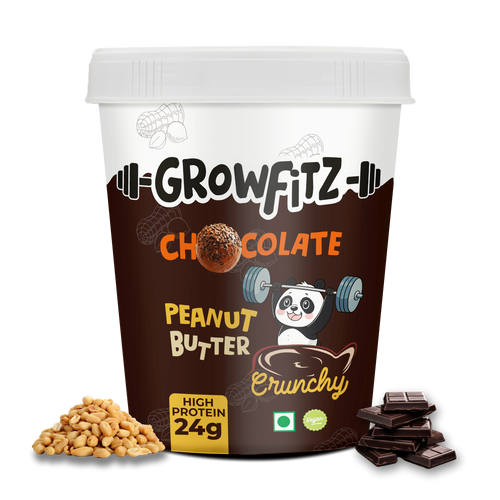
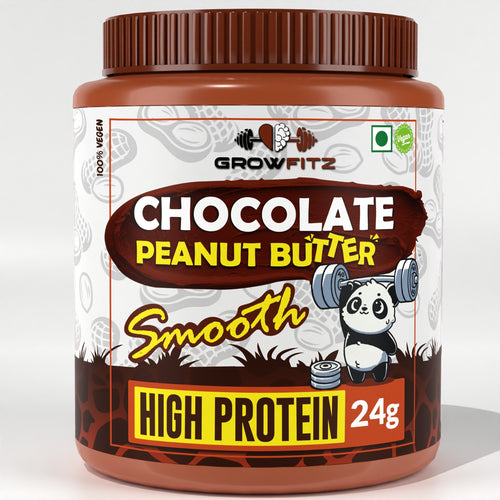
Products and foods from brands such as Growfitz can also be incorporated into a balanced lifestyle when they fit your nutritional needs and preferences. However, no single food or product can replace a varied diet and healthy daily habits.
Final Thoughts
Building a gut-friendly daily routine is less about following strict rules and more about making better choices consistently. Stay hydrated, eat a variety of fiber-rich plant foods, include fermented and prebiotic foods, stay active, sleep well, and give yourself time to relax.
Your gut doesn't need perfection; it needs consistency.
With simple habits and nutritious everyday choices, Growfitz can be one part of a broader approach to supporting your wellness goals. Most importantly, listen to your body and choose a routine that you can comfortably maintain for the long term.
A healthier gut routine doesn't have to be complicated. Sometimes, the smallest daily changes can become the most valuable ones.