


How to Build a High-Protein Diet for Weight Loss
When you are trying to lose weight, it is easy to think the answer is “eat less.” But in reality, what you eat matters just as much as how much you eat. This is where protein can make a big difference.
A high-protein diet for weight loss can help you feel fuller after meals, support your muscles while you lose body fat, and make it easier to stick to your eating plan. The good news is that building a high-protein diet doesn't mean eating plain chicken and eggs every day. There are plenty of delicious options, whether you eat meat or are a vegetarian.
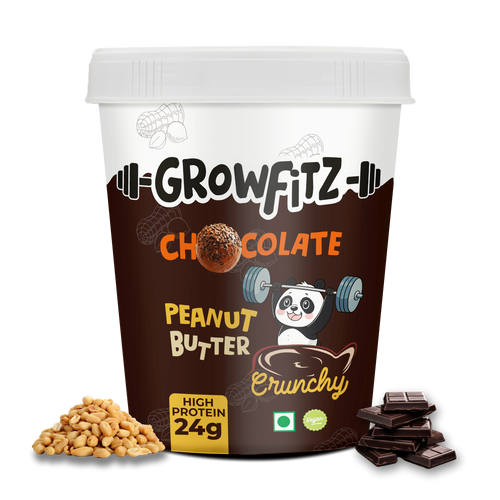
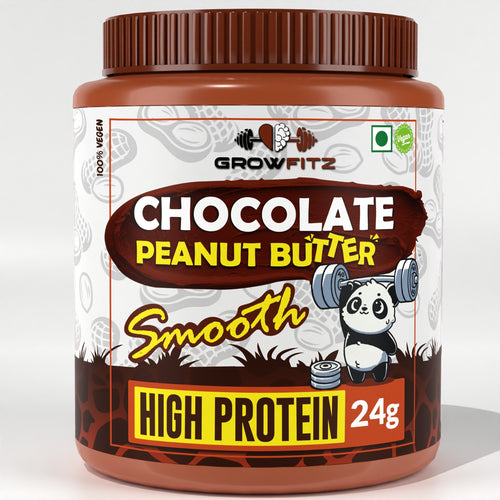
The key is to find a balanced approach that fits your lifestyle and that you can actually maintain. Brands like Growfitz can also make it easier to include nutritious, protein-friendly foods in your everyday meals.
Why Is Protein Helpful for Weight Loss?
Think about the meals that leave you hungry again an hour later. They are often low in protein and fiber. Adding a good protein source can make a meal much more satisfying.
Protein also helps support muscle tissue. When you are losing weight, you want to focus on losing excess body fat while maintaining as much lean muscle as possible. Eating enough protein, especially when combined with resistance training, can help support this goal.
Some simple high-protein foods for weight loss include eggs, Greek yogurt, paneer, chicken, fish, tofu, lentils, beans, soy products, nuts, and seeds.
How Much Protein Should You Eat?
There is no single amount of protein that works for everyone. Your needs can vary depending on your body size, age, activity level, fitness goals, and overall health.
Instead of becoming obsessed with hitting a perfect number, start with a simple habit: include a protein source in every main meal.
For example, you could have eggs or Greek yogurt at breakfast, dal and paneer at lunch, yogurt or roasted chickpeas as a snack, and chicken, fish, tofu, or beans at dinner.
If you have specific health or dietary needs, it is best to speak with a qualified healthcare professional or dietitian for personalized advice.
Start Your Morning With Protein
Breakfast is one of the easiest places to improve your protein intake. A protein-rich breakfast can help you feel satisfied and prevent the mid-morning search for snacks.
You don't need a complicated recipe. Try:
-
Eggs with whole-grain toast and vegetables
-
Greek yogurt with fruit and seeds
-
Oats with peanut butter, milk, and nuts
-
Paneer or tofu stuffed into a whole-grain wrap
-
A smoothie made with yogurt, fruit, and a protein source
If you already enjoy oats, turning them into a high-protein breakfast is incredibly simple. Add peanut butter, seeds, milk, Greek yogurt, or another protein-rich ingredient to make your regular bowl more filling. Growfitz products can also be incorporated into simple breakfast ideas for a convenient and nutritious start to the day.
Build Your Lunch and Dinner Around Protein
A simple trick for creating a high-protein meal plan for weight loss is to decide on your protein source first.
Then build the rest of your meal around it.
For example, grilled chicken can be paired with brown rice and roasted vegetables. If you're vegetarian, you could combine dal, paneer or tofu with roti and a generous serving of vegetables.
And don't be afraid of carbohydrates. You don't have to completely remove rice, roti, potatoes, or oats to lose weight. Instead, choose nutritious carbohydrate sources and pay attention to portions.
A balanced plate is usually much easier to stick to than a diet based on strict food restrictions.
Make Your Snacks Work for You
Snacking isn't necessarily the problem. What you snack on can make a big difference.
Instead of reaching for highly processed snacks every time you feel hungry, keep a few protein-rich options available.
Greek yogurt, boiled eggs, roasted chickpeas, cottage cheese, nuts, seeds, or an apple with peanut butter can all make convenient choices.
If you buy packaged protein snacks or bars, don't look at protein alone. Check the full nutrition label, including calories, added sugar, and saturated fat.
Don't Forget Fiber and Healthy Fats
A high-protein diet shouldn't mean eating protein all day and ignoring everything else.
Your body still needs fiber, vitamins, minerals, and healthy fats. Add plenty of vegetables and fruits to your meals, along with foods such as whole grains, beans, nuts, and seeds.
Healthy fats can also have a place in a weight-loss diet. Peanut butter, nuts, seeds, and avocado are nutritious options, but remember that they can be calorie-dense. A little can go a long way.
Drink Enough Water
Sometimes what feels like hunger may actually be thirst. Staying hydrated throughout the day can support your overall health and make your weight-loss routine easier to manage.
Keep water nearby and make it your main drink. If plain water feels boring, try adding lemon, cucumber, or fresh herbs for some extra flavour.
Remember: Protein Isn't a Magic Solution
This is an important one.
Simply eating more protein doesn't automatically mean you'll lose weight. Your overall calorie intake, food choices, activity levels, sleep, and consistency all play a role.
For example, eating large amounts of high-calorie foods simply because they contain protein may still make it difficult to lose weight.
Instead, focus on the bigger picture: eat enough protein, choose nutritious foods, control portions, and maintain a reasonable calorie deficit.
Make Your Diet Easy to Follow
The best diet isn't the one that looks perfect on paper. It's the one you can follow even when you're busy, travelling, eating out, or having a less-than-perfect day.
Keep your meals simple. Prepare some protein sources in advance, keep healthy snacks available, and rotate between different foods so you don't get bored.
And don't worry if you occasionally enjoy your favourite dessert or order takeout. One meal won't undo your progress. Your everyday habits matter much more.
Final Thoughts
Building a high-protein diet for weight loss doesn't have to mean following a strict or boring meal plan. Start small by adding a protein source to your meals, choosing more whole foods, including plenty of vegetables and fiber, and being mindful of portions.
Whether your favourite protein source is eggs, paneer, chicken, lentils, tofu, Greek yogurt, or peanut butter, there are plenty of ways to make your meals both nutritious and enjoyable. Growfitz can be part of that balanced approach by helping you explore convenient, nutritious food choices that fit into your daily routine.
The goal isn't to eat perfectly. It's to create a balanced eating routine that keeps you satisfied, supports your fitness goals, and feels realistic enough to continue for the long run.