


It's 3 pm. Lunch feels like a distant memory. You open the pantry, stare blankly for a minute, and grab whatever's closest, maybe a granola bar or a handful of crackers. Twenty minutes later, you're hungry again. Sound familiar?
Most of us have been there. The problem usually isn't that you're snacking too much. It's that you're snacking on the wrong things. Not every snack is created equal, and the ones that taste satisfying in the moment often leave you hungrier than before you started.
Let's talk about why that happens and how to actually pick snacks that hold you over.
Why Some Snacks Leave You Hungrier Than Before
Here's the thing about a lot of popular snack foods: they're built for taste, not staying power. Chips, cookies, pretzels, and sugary granola bars are usually high in refined carbohydrates and low in the nutrients that actually signal "fullness" to your body.
When you eat something that's mostly simple carbs and sugar, your blood sugar spikes quickly. Your body responds by releasing insulin to bring that sugar level back down, and often it overcorrects. The result is a blood sugar crash, and that crash often shows up as hunger, tiredness, or a sudden craving for something sweet. You end up in a loop: snack, crash, snack again.
This is why blood sugar stability matters so much when it comes to choosing snacks. A snack that keeps your blood sugar level stable is a snack that keeps you satisfied longer, plain and simple.
The Three Nutrients That Actually Keep You Full
If you want a snack with real staying power, there are three things to look for: protein, fibre, and healthy fats. These are the nutrients that slow digestion, keep blood sugar steady, and trigger the hormones that tell your brain you've had enough.
Protein is probably the biggest player here. It takes longer to digest than carbs, and it directly influences the hormones ghrelin and leptin, the ones responsible for hunger and satiety. A snack with a solid dose of protein, even just 10 to 15 grams, can make a noticeable difference in how long you go before you're hungry again.
Fibre works a bit differently but ends up doing something similar. It slows down how quickly food moves through your digestive system, which means a steadier, slower release of energy instead of a quick spike and crash. Fibre also adds physical bulk, which helps you feel full even if the calorie count is relatively low.
Healthy fats, think nuts, seeds, avocado, or olive oil, add staying power too. Fat digests slowly and adds a level of satisfaction that carbs alone just can't match. It's also why a plain rice cake feels forgettable, but a rice cake with almond butter on top feels like an actual snack.
The magic really happens when you combine at least two of these three. A snack that pairs protein with fibre, or fat with protein, is going to keep you fuller for longer than any single one of them working alone.
Snacks That Check the Boxes
So what does this actually look like on a plate? Here are some combinations that hit that protein, fibre, and healthy fat sweet spot.
Greek yoghurt with berries and a sprinkle of nuts. Greek yoghurt is loaded with protein, the berries bring fibre and natural sweetness, and the nuts add healthy fat and a bit of crunch. This one covers all three bases at once.
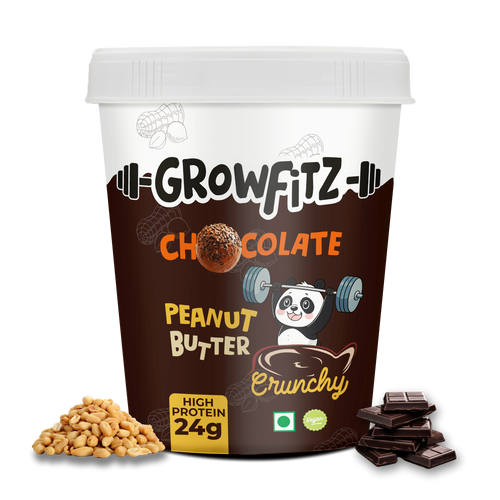
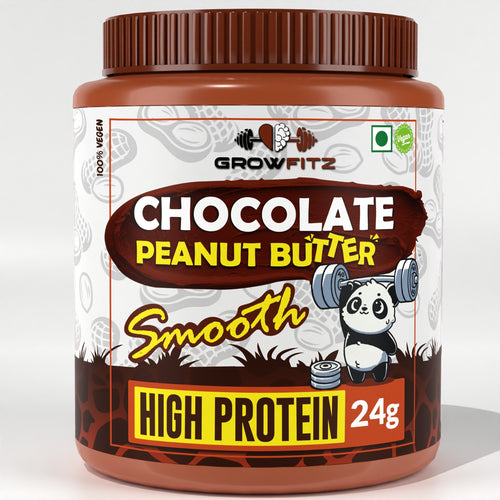
Apple slices with peanut or almond butter. The apple gives you fibre and a bit of natural sugar to satisfy a sweet craving, while the nut butter brings in protein and fat to slow everything down. It's a classic combination for a reason.
Hard-boiled eggs with a small handful of whole grain crackers. Eggs are one of the most protein-dense, nutrient-rich foods around, and pairing them with a whole grain carb gives you a bit of fibre too.
Hummus with raw vegetables. Chickpeas bring both protein and fibre, and the veggies add volume without piling on calories. This is a great option if you want something you can eat a lot of without overdoing it.
A small handful of mixed nuts and seeds. Nuts and seeds combine protein, fibre, and healthy fat in one convenient, portable package. Just watch your portion size here since they're calorie-dense.
Cottage cheese with pineapple or peaches. Cottage cheese is another protein powerhouse, and pairing it with fruit gives you some fibre and natural sweetness without needing added sugar.
Notice the pattern? None of these is single-ingredient snacks. They're all pairings, and that's really the key takeaway if you remember nothing else from this article: combine your macronutrients instead of relying on just one.
Snacks That Tend to Backfire
On the flip side, there are some common snack choices that feel satisfying but usually leave you hunting for something else within the hour.
Plain crackers, pretzels, and chips are mostly refined carbs with little protein or fibre to slow them down. Candy and sugary granola bars spike blood sugar fast and drop it just as quickly. Juice and soda deliver a ton of sugar with none of the fibre that would normally be attached to that sugar in whole fruit.
None of this means these foods are off limits forever. It just means they're not going to do the job if your goal is actually staying full between meals. If you love a certain snack, try pairing it with something that adds protein or fibre. Crackers with cheese, for example, or a small piece of chocolate after a protein-rich meal.
Timing and Portion Size Matter Too
Choosing the right ingredients is a big part of the equation, but how and when you snack matters as well.
Eating on a somewhat regular schedule helps prevent the extreme hunger that leads to grabbing whatever's fastest and easiest, which is usually the least satisfying option. If you wait until you're starving to think about food, you're much more likely to reach for something quick and carb-heavy instead of something balanced.
Portion size is worth paying attention to as well. A snack should genuinely be a bridge between meals, not a meal replacement. Somewhere in the range of 150 to 300 calories tends to work for most people, depending on activity level and how far apart your meals are spaced.
Slowing down while you eat also helps. It takes roughly 20 minutes for your brain to register fullness signals from your stomach. Eating a snack too fast can mean you finish before your body even has a chance to tell you it's satisfied, which often leads to reaching for more.
Building a Snack Habit That Actually Works
The easiest way to make better snack choices consistently is to set yourself up in advance. Keep protein- and fibre-rich options on hand and visible, whether that's pre-portioned nuts in your bag, yoghurt in the fridge, or cut vegetables ready to go with hummus. When the better option is just as easy to grab as the less useful one, you're far more likely to reach for it.
It also helps to think of snacking less as a treat and more as a small, intentional meal. You wouldn't build lunch out of just crackers, so there's no reason your 3 pm snack needs to be either.
At the end of the day, staying full between meals isn't about eating less or restricting yourself. It's about choosing foods that actually do the job your body is asking them to do. Protein, fibre, and healthy fats are the tools that make that possible, and once you start building snacks around them, that 3 pm hunger crash starts to feel a lot less inevitable.