

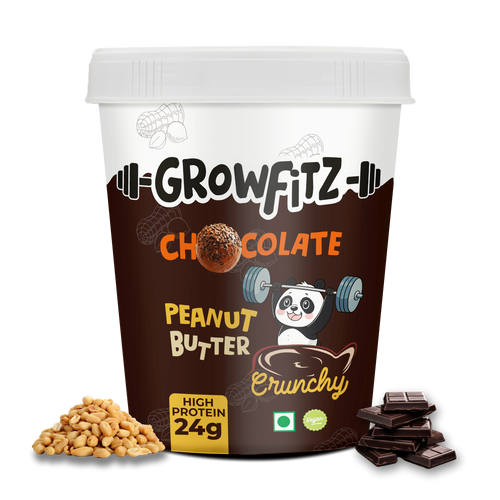

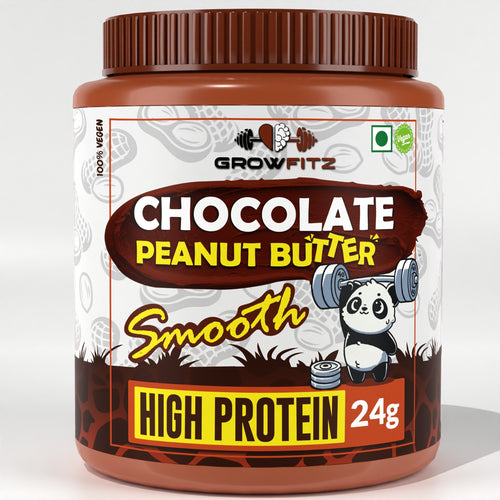

A protein bar with 12 grams and a chicken and lentil bowl with 35 grams both get marketed under the same word, protein, and treated by a lot of shoppers as roughly interchangeable. Protein-rich snack vs protein-focused meal isn't just a difference in portion size. Muscle physiology research shows these two categories trigger genuinely different biological responses, and the gap between them is a specific, measurable threshold rather than a vague sense of more being better.
The Leucine Threshold That Decides Whether Protein Actually Counts
The mechanism behind this difference has a name and a specific number attached to it. The leucine threshold is the minimum dose of the amino acid leucine, roughly 2.5 grams for younger adults and closer to 3 grams for older adults, needed in a single sitting to maximally stimulate muscle protein synthesis, the process that actually builds and repairs muscle tissue. Below that threshold, muscle protein synthesis still activates, but only submaximally, meaning the body is doing some of the job rather than the full job that the same amount of protein could otherwise trigger. This reframes the whole question away from how much protein in a day toward how much protein crosses the threshold at any single sitting, which is exactly where a snack and a meal start to diverge.
Why 20 to 25 Grams Is the Number That Keeps Showing Up
Translated into total protein rather than leucine alone, research consistently converges on a similar figure. Studies by Moore and colleagues in 2009 and Witard and colleagues in 2014 found muscle protein synthesis plateaus at roughly 20 to 25 grams of high-quality, fast-digesting protein per meal in young, healthy adults, a pattern researchers describe as the muscle full concept, where protein consumed beyond that per-meal amount is largely oxidised for energy rather than used for tissue building. A typical protein-rich snack, a bar, a shake, a handful of nuts, commonly delivers somewhere in the 8 to 15 gram range, comfortably under that plateau. A protein-focused meal built around a real portion of meat, fish, eggs, dairy, or legumes routinely clears 25 to 35 grams without much effort, which puts it on the other side of the same threshold entirely.
Why the Number Climbs With Age
The threshold itself isn't fixed across every population, and this is where the snack-versus-meal gap widens further for a large share of adults. Research by Baum and colleagues in 2016 found that for adults in their 40s, 50s, and beyond, the optimal per-meal threshold rises to roughly 0.4 grams of protein per kilogram of body weight, translating to approximately 30 to 40 grams depending on individual body weight, a response to a phenomenon called anabolic resistance, the blunted muscle protein synthesis response to a given protein dose that comes with ageing. A snack that might have been borderline adequate for a 25-year-old falls further short of a genuinely useful dose for an adult in their 50s or 60s, precisely when preserving muscle mass matters most for long-term mobility and strength.
What a Typical Protein Snack Actually Delivers
It's worth being specific about where most snacks and even some meals actually land, since the gap is often bigger than people assume. A typical Western breakfast- toast, cereal, fruit, coffee- contains only about 5 to 15 grams of protein, which fails to cross the leucine threshold entirely and leaves muscle protein synthesis largely dormant through what can be sixteen or more hours between the previous evening's dinner and a late morning meal. Protein-rich snack vs protein-focused meal isn't a contest between a bad option and a good one. A snack still has real value for hunger management and steady energy. It just isn't doing the specific physiological job a meal built to clear the threshold is doing, and marketing language that puts both under the same protein label obscures that difference rather than clarifying it.
Slower Protein Sources Complicate the Simple Threshold Number
The 20 to 25 gram plateau found in the original research came from fast-digesting proteins consumed largely on their own, and that detail matters for how the finding actually translates to a real plate of food. Slower-digesting protein sources, or protein eaten alongside fat and fibre the way it usually is in an actual meal rather than a lab setting, delay amino acid absorption and may extend the window over which the body can productively use a larger dose, rather than hitting the same hard ceiling a fast whey-based drink would. This is part of why a protein-rich snack vs a protein-focused meal isn't simply a comparison of bigger versus smaller portions; the surrounding food changes the absorption curve itself, not just the total gram count. A snack built around a fast-absorbing isolated protein source and a full meal built around whole food protein with fat and fibre mixed in aren't just different quantities; they're different delivery mechanisms entirely.
Why Distribution Across the Day Matters as Much as the Threshold Itself
The gap between snacking and eating a real protein-focused meal compounds over a full day in a way a single comparison doesn't capture. Mamerow and colleagues found an even distribution of roughly 30 grams of protein across three meals produced 25 per cent greater 24-hour muscle protein synthesis than the same total daily protein skewed heavily toward one meal, commonly 10, 15, and 65 grams across breakfast, lunch, and dinner. A related dose-response study found a pattern of four 20-gram protein doses across a day produced 31 to 48 per cent greater cumulative muscle protein synthesis over twelve hours compared to either a few large boluses or many small pulses of the same total amount. The consensus that emerges from this body of research, reflected in the 2017 International Society of Sports Nutrition position stand, is three to four meals containing 25 to 40 grams of quality protein each, with more than five meals offering no further measurable benefit and fewer than three reducing the number of effective synthesis triggers across the day.
What This Means Practically
None of this requires treating every snack as wasted or every meal as mandatory to hit an exact number. It means recognising that a snack and a meal are doing different jobs, and substituting one for the other repeatedly across a week has a real, measurable cost in missed muscle protein synthesis opportunities, not just a vague sense of eating less protein overall. Checking whether at least three eating occasions a day clear the 25 to 30 gram range, adjusted upward for anyone over 40, closes most of the gap this research describes. And treating a protein bar or shake as a genuine bridge between meals rather than a replacement for one keeps its real value intact without asking it to do a job it was never built to do.
Conclusion
Protein-rich snack vs protein-focused meal comes down to a specific, well-documented threshold rather than a marketing distinction: roughly 25 to 30 grams of quality protein per sitting, higher for older adults, is what actually triggers a maximal muscle protein synthesis response, and most snacks simply don't reach it. That doesn't make snacks pointless; it makes them a different tool for a different job. Knowing which one is actually in front of a person, on a given plate or wrapper, is what turns a vague daily protein target into something the body can genuinely use.