



For the last few years, protein has dominated every nutrition conversation in India. Protein powders, protein bars, and high-protein snacks filled shelves and social media feeds alike. But a quieter shift is now taking place in how people think about their diet, and it centres on a nutrient that spent years being ignored. Search interest in dietary fiber has hit an all-time high in 2026, with global searches for the term "fibermaxxing" rising by 115 per cent in just the past 90 days. Fiber is no longer the forgotten nutrient sitting quietly behind protein. It is becoming the main conversation.
The Fiber Gap Most Indians Don't Know They Have
According to the ICMR-NIN 2020 guidelines, a fiber intake of 30 grams per 2000 kilocalories is considered a safe daily target for adults. Depending on age, sex, and energy needs, most nutrition guidance for Indians places the ideal range between 25 and 40 grams a day.
The problem is that actual intake falls well short of this. Multiple nutrition surveys estimate that the average urban Indian diet delivers only 15 to 20 grams of fiber a day, roughly half of what is recommended. This gap has stayed largely invisible because fiber deficiency does not show obvious symptoms the way protein deficiency does. Instead, it shows up quietly, as sluggish digestion, constant bloating, blood sugar swings, and a hunger that returns within an hour of eating.
Why Fiber Is Getting More Attention Than Protein Right Now
Protein builds and repairs the body. Fiber, on the other hand, controls how well everything else in the body actually works. It slows down digestion so blood sugar rises gradually instead of spiking, it feeds the bacteria in the gut that influence immunity and mood, and it adds bulk that keeps the digestive system moving on schedule.
This is also why fiber is now being discussed alongside weight management, not just digestion. Fiber-rich meals keep a person full for longer without adding extra calories, which makes it a more sustainable lever for weight control than simply cutting food intake. Nutrition researchers have increasingly pointed out that a high-protein diet without enough fiber can actually work against a person's own goals, since poor digestion and blood sugar instability make it harder to control hunger and cravings.
Closing the Gap Without Overhauling Your Diet
The most practical place to close a fiber gap is breakfast, since it is the one meal most people can fully control. A bowl of Growfitz High Protein Oats delivers 17 grams of fiber per serving in the chocolate variant, more than half of the ICMR baseline of 30 grams in a single bowl, alongside its protein content. This is significantly higher than a standard bowl of oats, which typically provides only 4 to 5 grams of fiber.
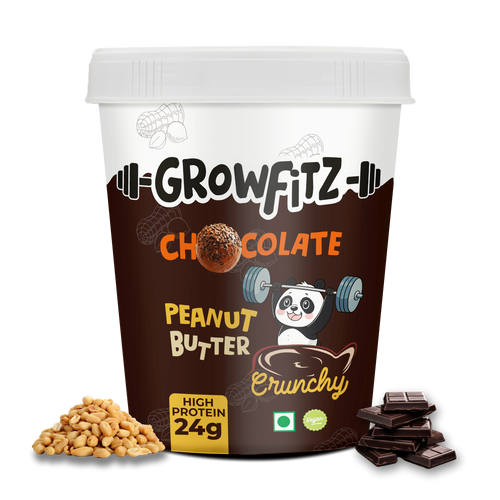
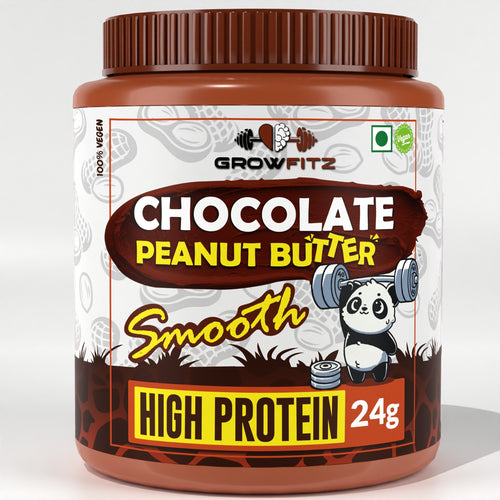
Pairing this with a spoon of Growfitz Peanut Butter adds a further, smaller contribution of fiber on top of its protein content, since peanut butter typically carries a modest amount of fiber alongside its fat and protein. Used together, breakfast becomes a meal that works on two fronts at once, supporting both muscle repair through protein and digestive health through fiber, instead of treating them as separate goals.
Building a Fiber Habit That Actually Sticks
Fiber should be increased gradually rather than all at once, since a sudden jump can cause bloating or discomfort as the gut adjusts. A steady approach works better than an aggressive one. Start the day with a fiber-rich breakfast, add a fruit or a handful of nuts as a mid-day snack, and let dinner include at least one serving of vegetables or whole grains. None of this requires giving up protein. It simply means fiber stops being an afterthought and becomes a part of the same plate.
Conclusion
Protein will always matter, but it was never meant to carry the entire conversation about nutrition on its own. Fiber is stepping back into focus because the body was always asking for it, even when the conversation around food was not. The rise of terms like fibermaxxing is not just a passing trend. It reflects something people are genuinely starting to notice in their own bodies, from irregular digestion to energy crashes that protein alone was never able to fix.
For most Indians, closing this gap does not require a dramatic diet overhaul or an expensive new routine. It requires one smarter breakfast, a little more attention to whole grains and vegetables through the day, and a willingness to treat fiber as seriously as protein has been treated for the last few years. The people who make this shift early are likely to feel the difference first, not only in digestion, but in steadier energy, better weight control, and a body that simply runs the way it was meant to. Fiber is not competing with protein. It is finally getting its fair share of attention, and for anyone paying attention to what their body has been signalling all along, that shift is long overdue.