


Women’s health changes throughout life, and so do nutritional needs. From the teenage years to pregnancy, motherhood, perimenopause, and beyond, the body goes through physical and hormonal changes that can influence energy, metabolism, bone health, immunity, and overall well-being.
That is why nutrition is not just about maintaining a certain weight. It is about giving your body the nutrients it needs to feel strong, energetic, and supported at every stage of life.
A balanced diet, regular movement, adequate sleep, and healthy lifestyle habits can work together to support long-term women’s wellness.
Why Nutrition Is Important for Women’s Health
Women often experience major changes in hormones, metabolism, and nutrient requirements throughout their lives. Poor dietary habits can make it harder to maintain energy levels and may affect overall health.
A nutrient-rich diet provides essential vitamins, minerals, protein, healthy fats, carbohydrates, and fiber. These nutrients support everything from muscles and bones to the immune system and brain.
Instead of focusing on restrictive diets, think about nutrition as daily nourishment. Your body needs food not only for calories but also for the building blocks that keep it functioning properly.
Nutrition During the Teenage Years
Adolescence is an important period of growth and development. During these years, the body needs adequate protein, calcium, iron, vitamin D, and other essential nutrients.
Iron is particularly important for girls who have started menstruating because iron is lost during periods. Foods such as lentils, beans, leafy green vegetables, eggs, dairy products, nuts, and seeds can contribute to a balanced diet.
Calcium and vitamin D are also important for developing strong bones. Building healthy eating habits during these years can create a strong nutritional foundation for adulthood.
Nutrition During the Reproductive Years
During adulthood, nutrition continues to play an important role in energy, hormonal health, muscle maintenance, and overall wellness.
Protein should be a regular part of meals because it helps support muscles and keeps you feeling satisfied. Good options include eggs, dairy, lentils, beans, soy, nuts, seeds, fish, and lean meats.
Healthy fats are equally important. Nuts, seeds, avocados, and plant-based oils can provide beneficial fats that fit into a balanced eating pattern.
Fiber deserves attention too. Fruits, vegetables, whole grains, legumes, and seeds can help support digestive health and make meals more satisfying.
Pregnancy and Breastfeeding
Pregnancy and breastfeeding can significantly increase nutritional requirements. During pregnancy, the body needs additional nutrients to support the mother as well as the developing baby.
Nutrients such as folate, iron, iodine, calcium, vitamin D, protein, and omega-3 fatty acids are particularly important. However, nutritional requirements can vary from person to person.
If you are pregnant or breastfeeding, it is best to discuss your individual diet and supplement needs with a qualified healthcare professional rather than relying on generic nutrition advice.
Perimenopause and Menopause
As women approach menopause, hormonal changes can affect metabolism, body composition, sleep, mood, and bone health. Nutrition can become especially important during this stage.
Protein and strength-supporting nutrients can help maintain muscle mass. Calcium and vitamin D are important for bone health, while vegetables, fruits, whole grains, nuts, and seeds can provide fiber and a range of micronutrients.
Staying physically active, especially with resistance and weight-bearing exercises, can complement a balanced diet and support healthy ageing.
Nutrition After Menopause
Healthy eating remains important after menopause. With age, maintaining muscle and bone strength becomes increasingly valuable.
A balanced plate can include a good source of protein, plenty of vegetables, whole grains or other high-fiber carbohydrates, and healthy fats. Staying hydrated is also essential, although thirst may not always feel as strong as it did when you were younger.
Rather than chasing quick fixes, focus on consistent habits that are realistic enough to maintain for years.
Key Nutrients Every Woman Should Pay Attention To
While nutritional needs differ from one woman to another, several nutrients deserve regular attention:
Iron: Supports normal red blood cell production and helps transport oxygen throughout the body.
Calcium: Important for maintaining strong bones and teeth.
Vitamin D: Helps the body absorb calcium and supports normal bone and immune function.
Protein: Supports muscles, tissues, enzymes, and many essential body functions.
Omega-3 fatty acids: Found in foods such as fatty fish, walnuts, chia seeds, and flaxseeds.
Fiber: Supports digestive health and contributes to a satisfying, balanced diet.
Folate: Particularly important during the reproductive years and pregnancy.
Getting these nutrients from a varied diet is generally preferable, while supplements may be useful in certain situations under professional guidance.
Simple Nutrition Habits for Everyday Wellness
Healthy eating does not have to mean complicated meal plans. A few simple habits can make a meaningful difference:
-
Include a protein source in your main meals.
-
Add colourful vegetables and fruits throughout the day.
-
Choose whole grains and other fiber-rich foods regularly.
-
Include nuts and seeds in appropriate portions.
-
Drink enough water throughout the day.
-
Avoid relying heavily on highly processed foods and sugary drinks.
-
Do not skip meals simply to reduce calories.
-
Pair nutritious eating with regular physical activity and sufficient sleep.
Small improvements repeated consistently are often more realistic than drastic changes that are difficult to maintain.
Make Nutrition a Lifelong Investment
There is no single “perfect diet” for every woman. Nutritional needs depend on age, activity level, lifestyle, health goals, and life stage.
The goal should not be perfection. It should be nourishment, balance, and consistency.
Whether you are a student trying to stay energised, a working woman managing a busy schedule, a new mother, or entering a new stage of life, taking care of your nutrition is one of the simplest ways to invest in your future well-being.
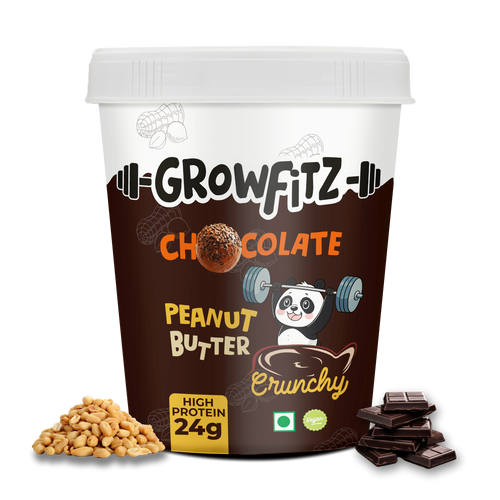
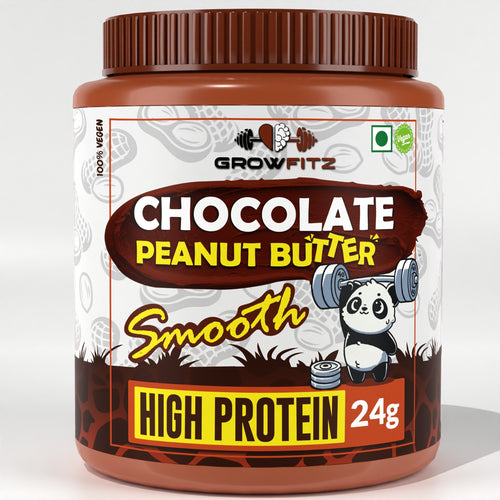
At Growfitz, the focus is on making nutritious choices easier to include in everyday life. The right foods, combined with healthy habits, can help make wellness feel less like a temporary goal and more like a sustainable lifestyle.
Remember: your body supports you through every stage of life. Giving it the nourishment it needs is not a luxury; it is part of taking care of yourself.